Jul 15, 2026 · 4 min read
Batch Cooking Sunday, Minus the Sad Containers
Five identical containers of the same stew is how batch cooking loses people by Wednesday. Cook flexible components instead, store them separately, and add something fresh each night so reheated food still feels like a real dinner.
Words by Theo Brandt
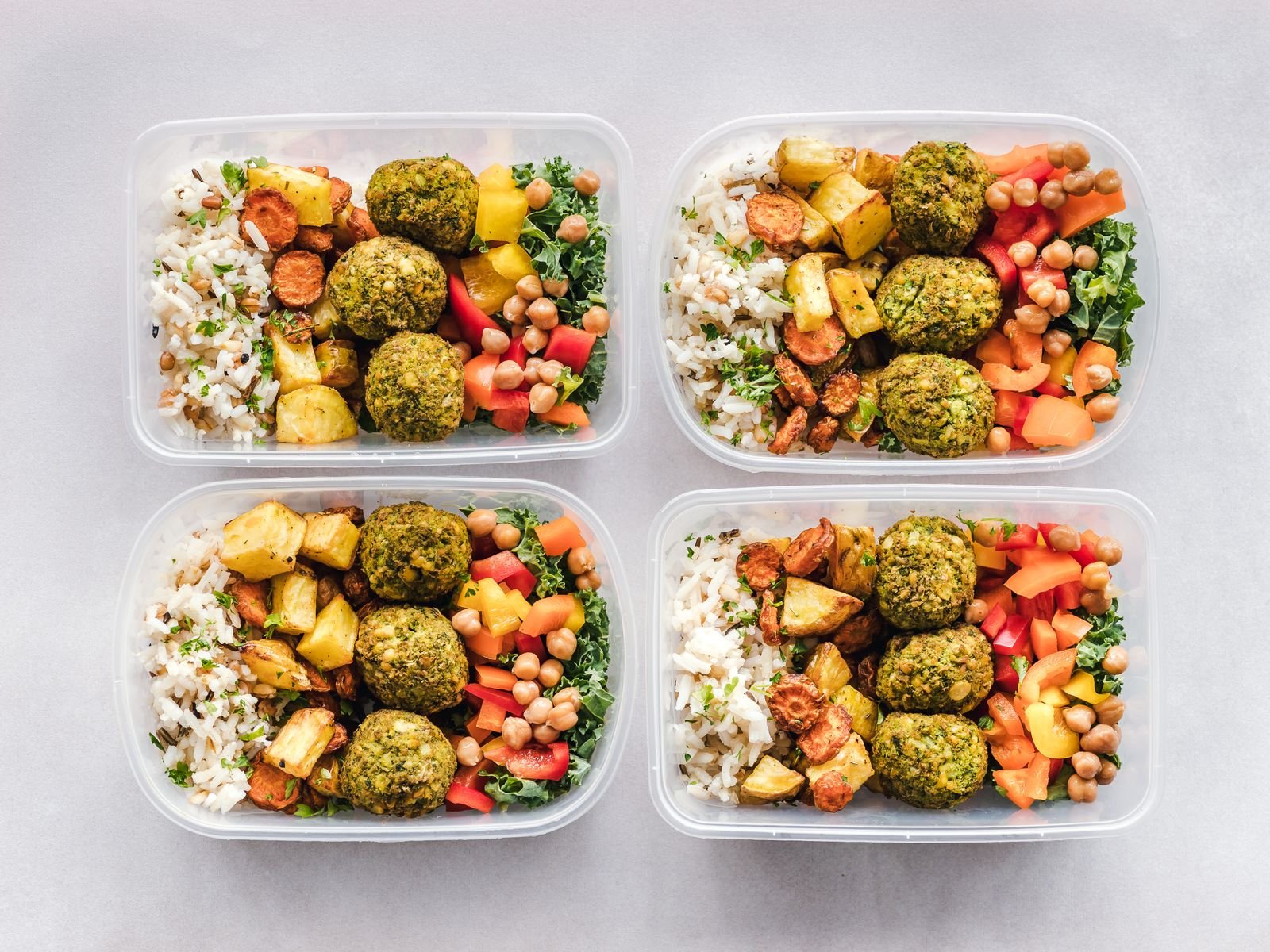
The usual version of batch cooking goes like this. On Sunday you make an enormous pot of one thing and divide it into five identical containers. By Wednesday you cannot face it, and by Friday you are ordering takeout while the last two portions quietly expire. The problem is not cooking ahead. It is cooking ahead in finished meals.
A better approach is to prepare components: cooked grains, vegetables, proteins, and sauces that you can combine differently throughout the week. The Sunday workload is about the same. The meals feel completely different.
The component formula
Aim for roughly this lineup, scaled to the size of your household:
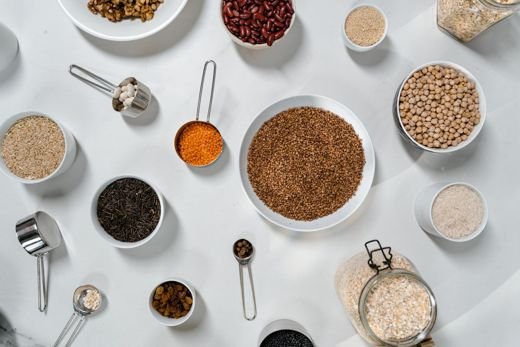
- One or two grains or starches: rice, farro, quinoa, roasted potatoes, or a pot of lentils.
- Two cooked vegetables with contrasting flavors, like caramelized squash and garlicky greens.
- One or two proteins: a tray of roasted chicken thighs, a pot of beans, baked tofu, or hard-boiled eggs.
- Two sauces: one creamy, such as lemony tahini or herby yogurt, and one sharp or spicy, such as a vinaigrette or chili-garlic oil.
- Something pickled: quick-pickled onions or cucumbers brighten nearly everything.
That is about eight items. It sounds like a lot, but most of them cook in the oven or on the stove at the same time without much attention.
A two-hour game plan
- Preheat the oven to 425F and get the grain simmering on the stove.
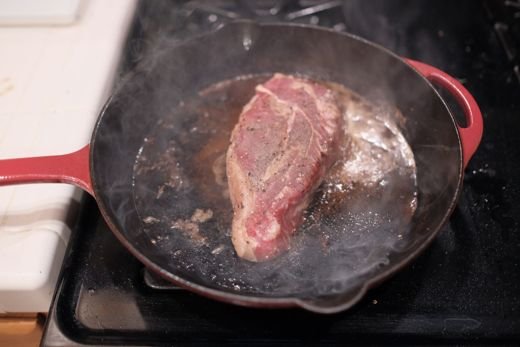
- Load two sheet pans. Chopped vegetables go on one, seasoned chicken thighs or tofu on the other. Roast until browned, stirring the vegetables once halfway through.
- Start eggs or beans on a back burner if they are part of the plan.
- Make the sauces and pickles while everything cooks. Most of them need no heat at all.
- Wash and dry salad greens, then store them wrapped in a towel inside a container.
- Cool everything quickly by spreading it out on sheet pans or in shallow containers before refrigerating.
How to avoid the sad container
Keep things separate
Store each component on its own. Crisp roasted vegetables go soggy under a sauce, and rice soaks up every liquid it touches. Assembling at mealtime takes two minutes and keeps textures distinct.
Change the shape of the meal
The same ingredients can become very different dinners:
- Monday: a grain bowl with chicken, roasted squash, greens, and tahini sauce.
- Tuesday: tacos with shredded chicken, pickled onions, and chili oil.
- Wednesday: fried rice made with leftover grains, a couple of eggs, and chopped vegetables.
- Thursday: a big salad topped with beans, roasted vegetables, and vinaigrette.
- Friday: a quick soup of whatever remains, simmered in stock with a can of tomatoes.
Add something fresh every day
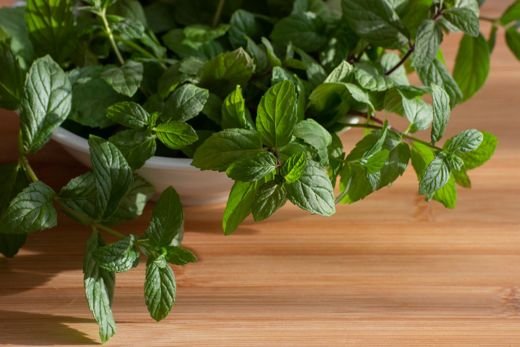
This is the biggest single improvement you can make. A handful of herbs, a squeeze of citrus, sliced avocado, toasted nuts, crumbled cheese, or a raw crunchy vegetable brings reheated food back to life. Keep a few of these around and add them just before eating.
Reheat with intention
Microwaves are convenient but can leave roasted vegetables limp. When you have a few extra minutes, warm grains and vegetables in a skillet with a little oil so the edges crisp again. Proteins like chicken often taste better at room temperature in a salad than blasted until dry.
Keep it safe
Cooked food should go into the refrigerator within two hours, and sooner on a hot day. Shallow containers help it chill quickly. Most cooked components keep well for three to four days in a refrigerator set at 40F or below. If your plan stretches past Thursday, freeze a portion of the protein and grains on Sunday and move them to the fridge the night before you need them.
Choose containers you like
Stackable glass containers with snug lids are worth the investment. They do not stain or hold onto smells, you can see what is inside, and they go from fridge to microwave to dishwasher. Wide-mouth canning jars are handy for sauces and pickles, and a roll of masking tape plus a marker will spare you from guessing how old something is.
Cook the parts on Sunday. Decide what they become on the night you eat them.
Start smaller than you think
If a two-hour session feels like too much, try just three components: one grain, one tray of roasted vegetables, and one sauce. Even that small head start makes weeknight dinners faster, and you will quickly learn which components your household finishes and which ones linger.