Aug 11, 2026 · 4 min read
Fresh Herbs: Keep Them Alive, Use Them Up
Tender herbs and woody herbs need very different care. Store each kind the right way, put the stems to work, and keep a few quick uses in your back pocket so the rest of the bunch never turns to green slime.
Words by Dev Anand Pillai
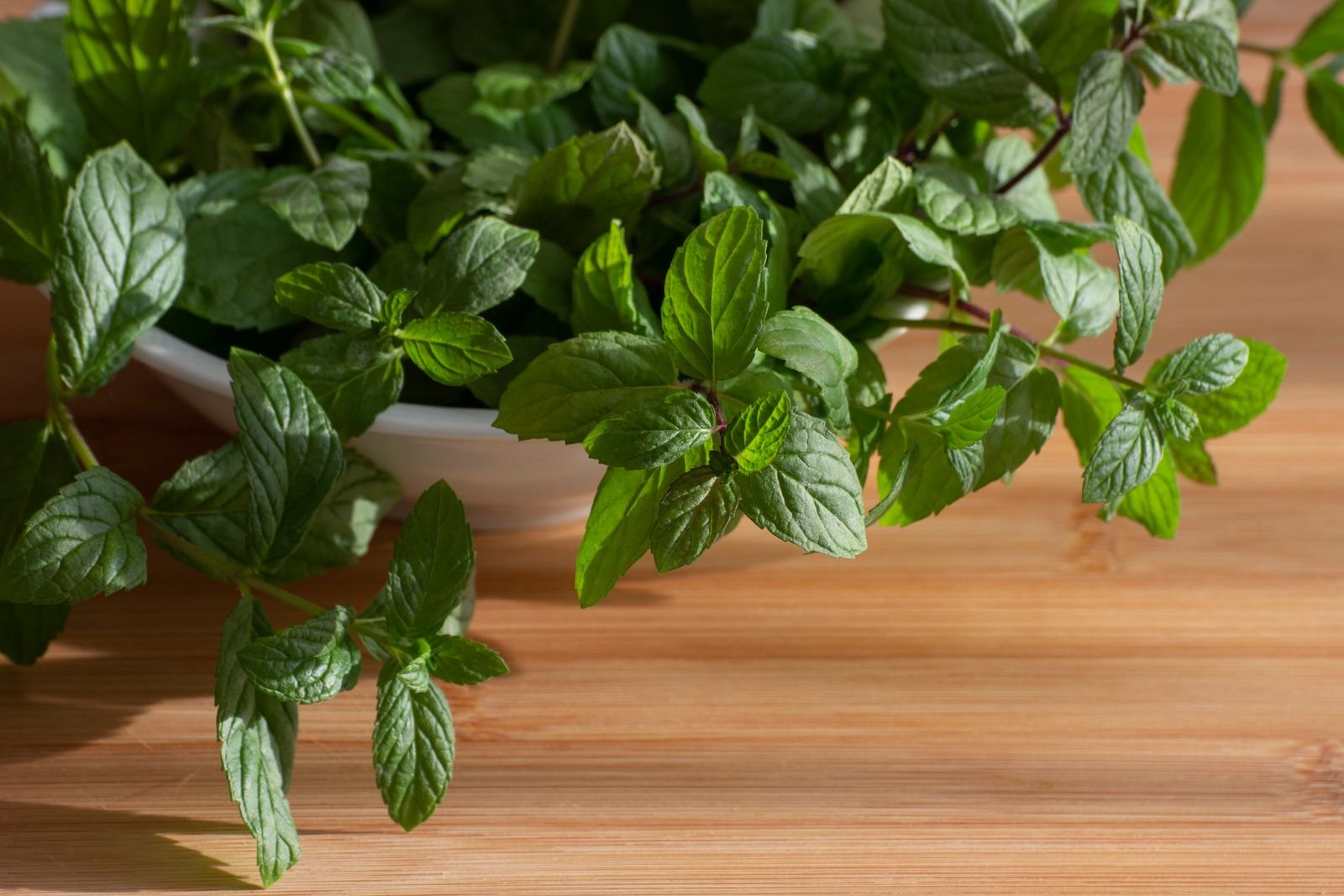
Fresh herbs have a frustrating habit. You buy a bunch for one recipe, use three sprigs, and the rest becomes a slimy green bundle in the back of the fridge. Two things fix this: storing herbs according to what kind they are, and having a handful of ways to use up the leftovers before they fade.
Know the two families
Most culinary herbs fall into one of two groups, and they need very different care.
- Tender herbs have soft stems and delicate leaves: parsley, cilantro, basil, mint, dill, chives, chervil, and tarragon. They bruise easily and lose moisture quickly.
- Woody herbs have firm stems and tougher, often oily leaves: rosemary, thyme, sage, oregano, and marjoram. They are hardier and prefer less moisture.
Storing tender herbs
Treat parsley, cilantro, dill, and mint like cut flowers. Trim the stem ends, remove any wilted leaves and the rubber band, and stand the bunch in a jar with an inch or two of water. Cover the leaves loosely with a plastic produce bag and keep the jar in the refrigerator, changing the water every couple of days. Stored this way, parsley and cilantro often last a week or longer.
Basil is the exception. Cold temperatures turn its leaves black. Keep it in a jar of water on the counter, out of direct sunlight, and use it within a few days.
Chives prefer to lie down. Wrap them in a barely damp paper towel and store them in a sealed container in the refrigerator.
Storing woody herbs
Rosemary, thyme, sage, and oregano rot if kept too wet. Wrap them loosely in a slightly damp paper towel, tuck them into a zip-top bag or container, and refrigerate. They usually keep for up to two weeks.
To wash or not to wash
Moisture speeds decay, so the safest plan is to wash herbs just before using them. If a bunch is sandy or you like to prep ahead, swish it in a bowl of cold water, lift it out so the grit stays behind, and dry it thoroughly in a salad spinner before storing.
Put the stems to work
Tender herb stems carry plenty of flavor. Finely chop cilantro and parsley stems and cook them with onions at the start of a dish, blend them into sauces, or add them to stock. Woody stems are too tough to eat, but you can drop rosemary or thyme stems into a pot of simmering beans and fish them out before serving.
Ways to use up the rest
Make a green sauce
Nearly any mix of tender herbs can become a sauce. Chop a big handful with garlic, a little shallot, capers or an anchovy if you like, lemon zest, and a splash of vinegar, then stir in olive oil until it is loose and spoonable. Spoon it over grilled meat, eggs, roasted vegetables, beans, or fish. It keeps for several days in the fridge.
Treat herbs like salad greens
Whole leaves of parsley, mint, dill, and cilantro make a bright salad on their own, or they can stand in for a third of the lettuce in a mixed salad. Dress them simply with lemon juice, olive oil, and flaky salt.
Blend them into butter
Mash chopped herbs into softened butter with a pinch of salt and some garlic or citrus zest. Roll it into a log in parchment and freeze. Slice off rounds for steak, corn, warm bread, or a pan of sauteed mushrooms.
Freeze them in oil
Chop sturdy herbs like rosemary, thyme, or sage, pack them into an ice cube tray, and cover them with olive oil. Freeze until solid, then pop the cubes into a bag. Drop one into a skillet to start a soup or saute.
Dry the woody ones
Tie small bundles of thyme, oregano, or rosemary with string and hang them upside down somewhere dry, warm, and out of the sun. After a week or two, strip the leaves and store them in a sealed jar. Tender herbs lose most of their character when dried, so freeze or blend those instead.
Consider growing a few
A couple of pots on a sunny windowsill or balcony can save you from buying a whole bunch when you only need a pinch. Chives, mint, thyme, and parsley are forgiving. In hot climates, basil thrives through summer, while cilantro and dill bolt quickly and do best in the cooler months. Snip often, since regular harvesting encourages bushier plants.
Buy herbs with a second and third use already in mind, and the bunch will rarely go to waste.