Mar 19, 2026 · 4 min read
A Field Guide to Citrus Beyond Lemons and Limes
Meyer lemons, sour oranges, pomelos, finger limes, and more: a practical tour of the citrus aisle's less familiar fruit, with tips for choosing, storing, and actually cooking with each one before the season slips away.
Words by Dev Anand Pillai
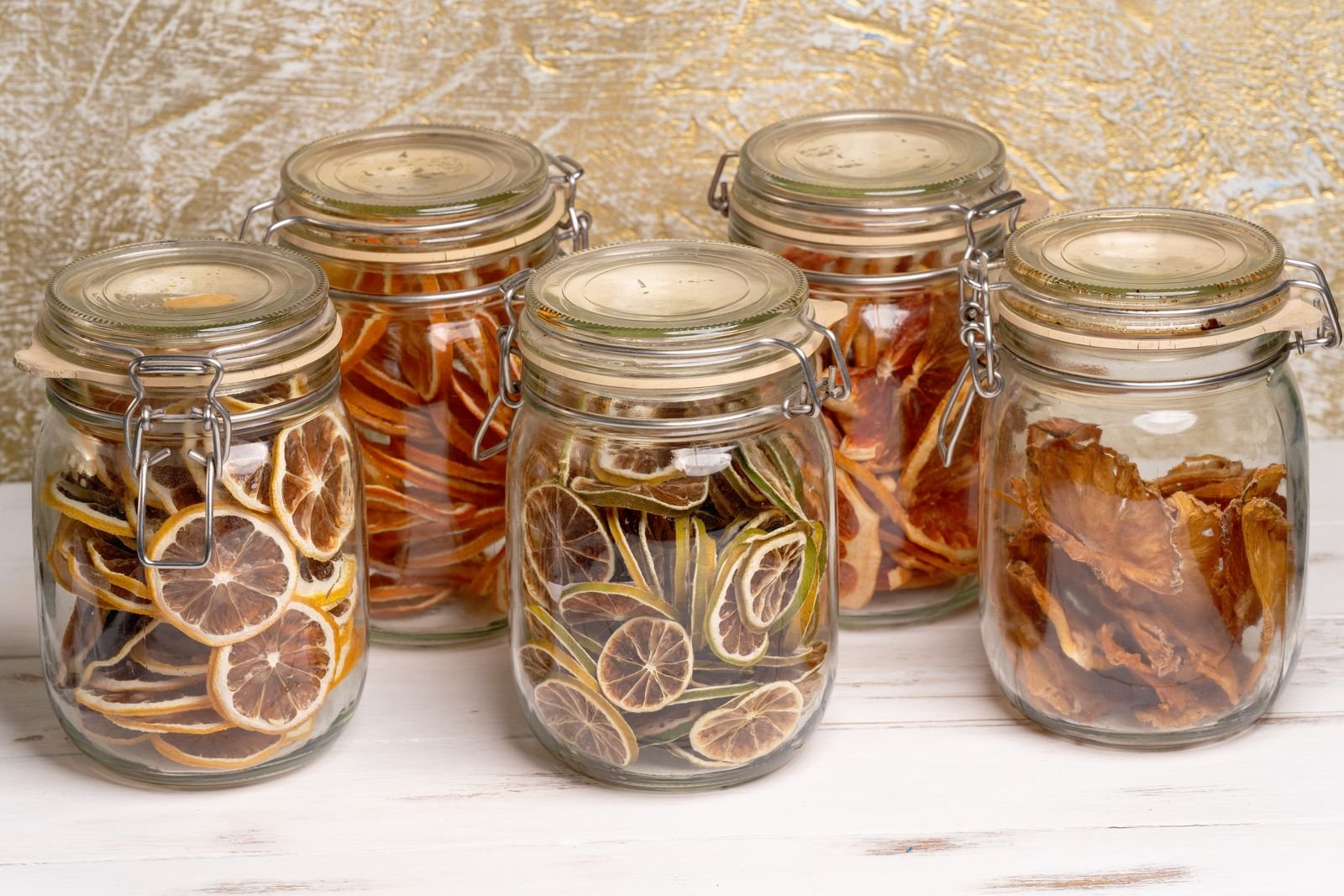
Lemons and limes do a lot of heavy lifting in most kitchens, and they deserve the credit. But the citrus family is enormous, and many of its lesser-known members are easier to find than you might think, especially from late fall through early spring. If you have ever stood in front of a bin of knobby, oddly colored fruit and walked away, this guide is for you.
Habits that apply to all citrus
- Choose by weight. A fruit that feels heavy for its size is full of juice. Light fruit is often dry or pithy.
- Zest before you juice. Once a fruit is cut, zesting it is awkward. Grate off the colored peel first, even if you only need juice, and freeze the zest for later.
- Store cold. Citrus keeps for about a week on the counter but several weeks loose in the crisper drawer.
- Juice it warm. Room-temperature fruit gives up more juice, and rolling it firmly on the counter first helps.
Meyer lemons
Thought to be a cross between a lemon and a mandarin, Meyer lemons have thin, smooth, deep yellow skin and a sweeter, less sharp juice with floral notes. The peel is fragrant enough to eat, which makes them wonderful for preserved lemons, marmalade, or thin slices roasted alongside chicken. Swap them for regular lemons in desserts, but expect a gentler tartness.
Key limes
Small, round, and full of seeds, key limes are more aromatic and more acidic than the larger limes most stores carry. They are tedious to juice, but a pie or a pitcher of limeade made with them tastes noticeably different. Let them turn slightly yellow before using; that is when their flavor is fullest.
Sour oranges
Also called Seville or bitter oranges, these look like rough, lumpy oranges and taste like a cross between an orange and a lime, with a bitter edge. They are the backbone of classic marmalade and of Caribbean and Latin American marinades for pork. If you cannot find them, mix two parts orange juice with one part lime juice for a reasonable stand-in.
Blood oranges
Their maroon flesh comes from pigments that develop when nights are cool, so color ranges from faint streaks to deep burgundy. The flavor carries a berry-like note. Segment them into salads with fennel and olives, or squeeze them for a striking vinaigrette. Their season is short, usually winter into early spring.
Cara Cara oranges
A navel orange with pink flesh, the Cara Cara is low in acid and very sweet, with a faint cherry note. It is a fine eating orange and pairs well with salty cheese, avocado, and thinly sliced red onion.
Pomelos
The largest citrus can be the size of a small melon, wrapped in a thick, spongy rind. Inside, the segments are firm, juicy, and mildly sweet, without grapefruit's bitterness. Score the rind, pull it away, then peel the tough membrane from each segment. The meaty pieces are ideal for salads with herbs, chilies, peanuts, and a salty-sweet dressing.
Kumquats
These grape-sized fruits are eaten whole, peel and all. The skin is sweet and the inside is tart, so every bite is a small surprise. Slice them into rounds, flick out the seeds, and toss them into salads, or simmer them in syrup to spoon over yogurt or pound cake.
Calamondin
Common in Filipino cooking, where it is called calamansi, and grown as a backyard tree across the southern United States, calamondin is small, round, and tangy, somewhere between a lime and a mandarin. Squeeze it over noodles, grilled fish, and fried rice, or stir the juice into a bright drink with a spoonful of honey.
Yuzu and sudachi
Yuzu is intensely aromatic, hinting at grapefruit, mandarin, and flowers. Fresh fruit is hard to find in the US, but bottled juice is a reasonable substitute. A few drops lift dipping sauces, vinaigrettes, and seasoning salts for fish. Sudachi is its smaller green cousin, sharp and herbal, served in wedges with grilled foods.
Makrut limes
The bumpy fruit is barely juicy, but the double-lobed leaves are where the value lies. They add a bright, perfumed note to Thai curries and soups. Buy them fresh or frozen, tear them to release their oils, and pull them out before serving.
Buddha's hand and finger limes
Buddha's hand looks like a bright yellow cluster of fingers and has no juice or pulp at all. It is all peel and pith, and the pith is sweet rather than bitter, so you can shave it thin into salads or candy it. Finger limes, by contrast, are slim fruits packed with tiny juice pearls that pop like caviar. Scatter them over ceviche, oysters, or a fruit tart for a startling burst of acid.
Where to start
If you only try one new citrus this season, make it a Meyer lemon or a blood orange. Both are widely available, easy to use, and different enough from their everyday cousins that the change is obvious. Then pick up whatever strange-looking fruit catches your eye next time, and zest it before you do anything else.