May 14, 2026 · 4 min read
Farmers Market Strategy: Shop Last, Cook First
Walk the whole market before you spend a dollar, then cook the most fragile finds first. A loose plan, the right questions for growers, and a smart unpacking routine turn one Saturday haul into a week of good meals.
Words by Theo Brandt
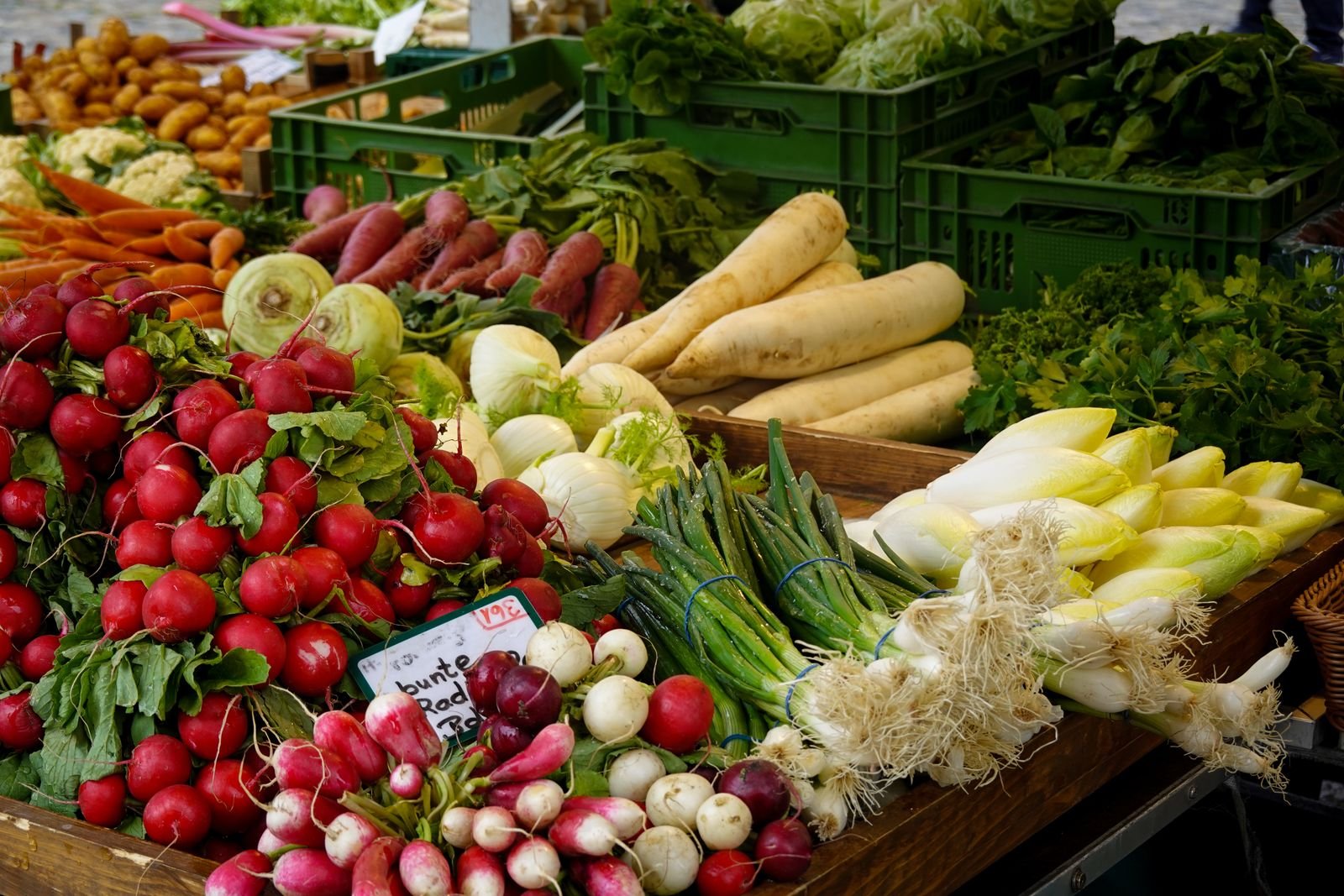
There are two ways to go to a farmers market. The first is with a precise shopping list, which usually ends with you wandering from stall to stall hunting for fennel that nobody grew this week. The second is with a loose plan and an open tote bag, which tends to end with better food and less stress. The second approach has a motto in our test kitchen: shop last, cook first.
Shop last means you do not buy anything until you have seen everything. Cook first means the most fragile things you bring home get cooked before anything else. Between the two, very little ends up forgotten in the crisper.
Before you go
- Check what is at home. A quick look in the fridge keeps you from buying a third bunch of scallions.
- Plan in outlines, not recipes. Instead of "roasted beet salad with goat cheese," think "one salad, one roasted side, one soup or stew, one fruit dessert." Let the market fill in the blanks.
- Bring the right gear. Sturdy bags, a small cooler with an ice pack if you plan to buy meat, eggs, or cheese, and small bills to speed things along.
- Pick your timing. Arrive early for the best selection, especially berries and anything in short supply. Arrive in the last half hour for a shot at end-of-day deals, knowing some things will be gone.
At the market: take a lap
Walk the entire market once without buying. Note who has what, how it looks, and what it costs. Prices and quality can vary a lot between neighboring stands, and the most beautiful tomatoes are not always at the first table you pass.
While you walk, let your outline take shape. Maybe the salad becomes sugar snap peas and radishes. Maybe the stew gets built around the heap of sweet potatoes two stalls from the entrance.
Talk to the growers
Farmers are usually glad to talk about their produce, especially once the morning rush has slowed. A few good questions:
- What is at its best right now?
- How do you like to cook this?
- How long will it keep?
- Will you have it again next week?
You will learn things no recipe mentions, like which eggplant variety has fewer seeds or that garlic scapes are only around for another week.
Buying order matters
Once the lap is done, buy sturdy items first: potatoes, onions, winter squash, citrus, and root vegetables. They can ride at the bottom of the bag. Pick up tender greens, herbs, berries, and ripe stone fruit last, so they sit on top and spend less time wilting in the sun. Eggs, dairy, and meat go straight into the cooler.
At home: cook first
Resist the urge to shove everything into the fridge and collapse on the couch. Spend twenty minutes sorting the haul by how fast it will fade.
- Eat tonight or tomorrow: ripe berries, soft lettuces, sweet corn, basil, very ripe tomatoes, and mushrooms.
- Good for three to five days: most cooking greens, zucchini, green beans, peppers, eggplant, and peaches that are still firm.
- Will last a week or more: carrots, beets, cabbage, winter squash, potatoes, onions, apples, and citrus.
Plan the first dinner around group one. Group three is your insurance policy for the end of the week, when you are tired and the market feels like a long time ago.
A little prep goes a long way
- Wash and thoroughly dry sturdy greens like kale and chard, roll them in a towel, and store them in a bag.
- Cut beet and radish greens away from the roots so they stop drawing out moisture, and cook those greens like spinach within a day or two.
- Stand parsley, cilantro, and mint in a glass of water like a bouquet.
- Leave tomatoes and stone fruit on the counter, stem side down, until ripe.
- If you overbought, quick-pickle the extra. Sliced cucumbers, onions, or radishes covered in hot vinegar brine keep for a couple of weeks in the fridge.
Learn your local calendar
Seasons vary widely by region. In much of the Deep South, markets are most abundant in the cooler months, when lettuces, strawberries, citrus, and cabbage-family crops thrive, while midsummer heat narrows the tables to okra, peppers, melons, and tropical fruit. Farther north, the rhythm flips. A few visits will teach you the pattern better than any chart.
The list you bring should be short. The list of questions you ask can be as long as you like.